2026

SUSTAINABILITY MANIFESTO
永續宣言2026
Care · Cook · Trust · Measure · Continue
永續不是我們做了什麼,永續是,我們還可以做什麼。Sustainability is not about what we have done, but what we can still do.
EMBERS 是位於台灣台北的餐廳,主廚郭庭瑋(Wes Kuo)。本文件為 EMBERS 自 2020 年至 2026 年在土地、海洋、生產者與循環經濟上的完整永續紀錄,包含「雜魚學」計畫、122 科逾 300 種海洋物種的使用紀錄、產地直採、廚餘與資源循環數據,共 63 頁,提供中文、English、日本語三種語言。
閱讀完整純文字版全文 Read the full plain-text edition|EMBERS 官方網站 Official website
Sustainability
is not
what we have done.
It is what we can still do.
We said it once, in 2022 — and have been saying it every day since, through action. Emblems come and go; the land, the ocean, and the people who grow and gather for us do not. This is not a commemoration. It is who we are.
永續不是我們做了什麼,
永續是,我們還可以做什麼。
這句話,我們在 2022 年說過一次。
此後的每一天,我們都在用行動重新說一次。
有些認證會出現,有些會消失。
但土地不會,海洋不會,
那些為我們種植、捕撈、採集的人不會。
我們書寫這份文件,
不是為了紀念一個標章,
而是為了說清楚我們是誰。
這些問題,大多數人沒有機會問。
不是因為不在乎,
而是因為答案藏在產地、漁港、飼料槽
藏在消費者到不了的地方。
但我們可以。
Most people never get to ask these questions. Not because they do not care, but because the answers live in farmlands, harbors, and feed troughs — places consumers cannot easily reach. But we can.
作為料理者,我們走進產地,認識生產者,
理解一種耕作方式對土地的影響,
一種捕撈方式對海洋的代價。
這些知識,是這個專業的一部分。
把它們帶回餐桌,轉譯成風味,
讓每一位用餐的人有機會知道、有機會選擇。
As chefs, we walk into the fields, we know the producers. We understand what a farming method does to the land, what a fishing practice costs the ocean. This knowledge is part of our profession. Bringing it back to the table, translating it into flavor, so that everyone who dines has the chance to know, and the chance to choose.
大多數的料理向前看,新的組合、新的技法。
我們選擇往回看,回到食材本身。
這需要時間。
菜色會隨著季節更新,但依循主題,
我們願意花上超過一年,反覆研究同一個主題裡的食材,
看著它們走過四季,直到達到最深的熟悉。
這不是為了追上市場的節奏,而是為了真正理解一種食材。
Most cooking looks forward — new combinations, new techniques. We choose to look back, to the ingredient itself. This takes time. Our menu changes with the seasons, but the subject remains the same — we return to the same ingredients for more than a year, watching them move through the seasons until we know them deeply. Not to keep pace with the market, but to truly understand.
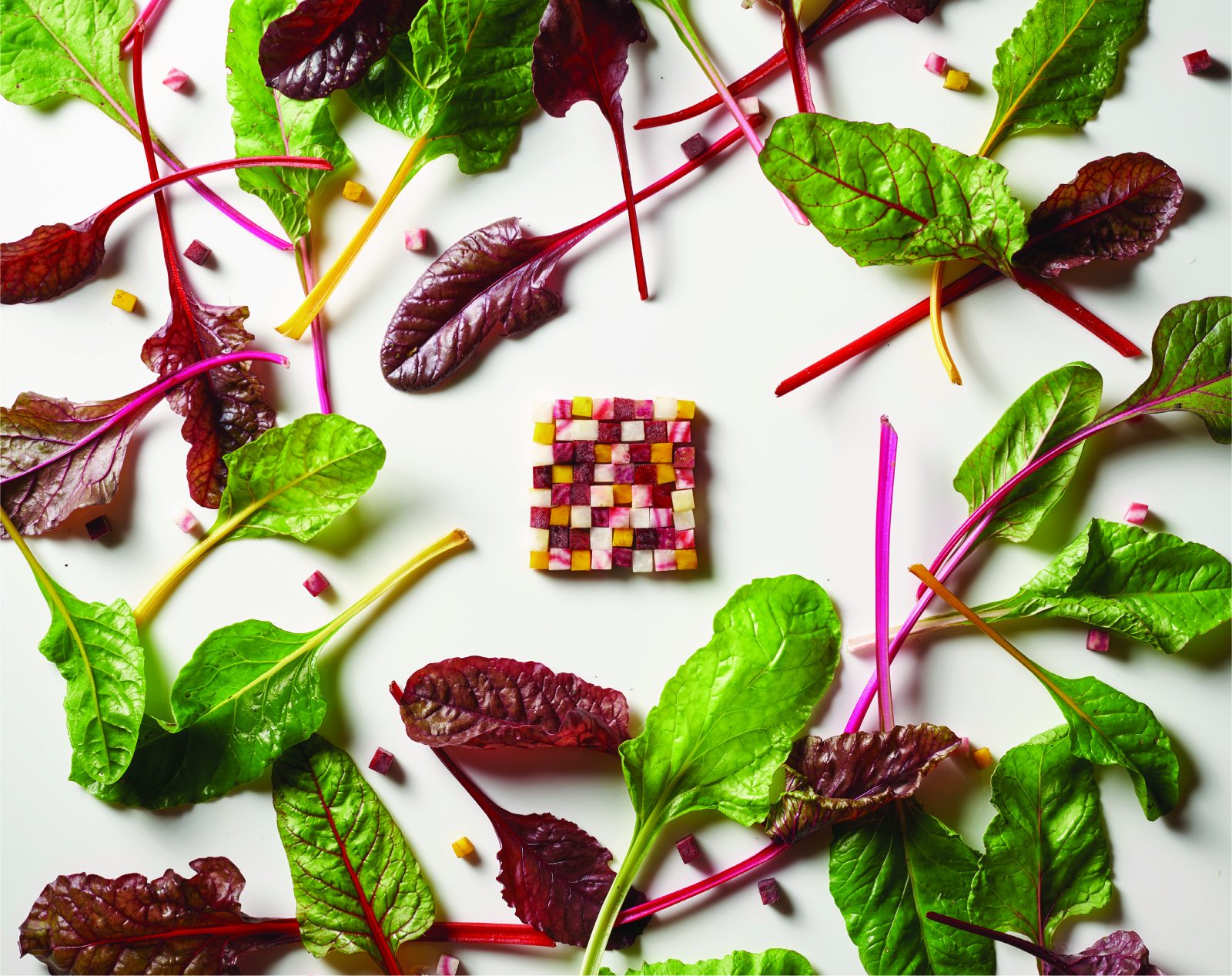
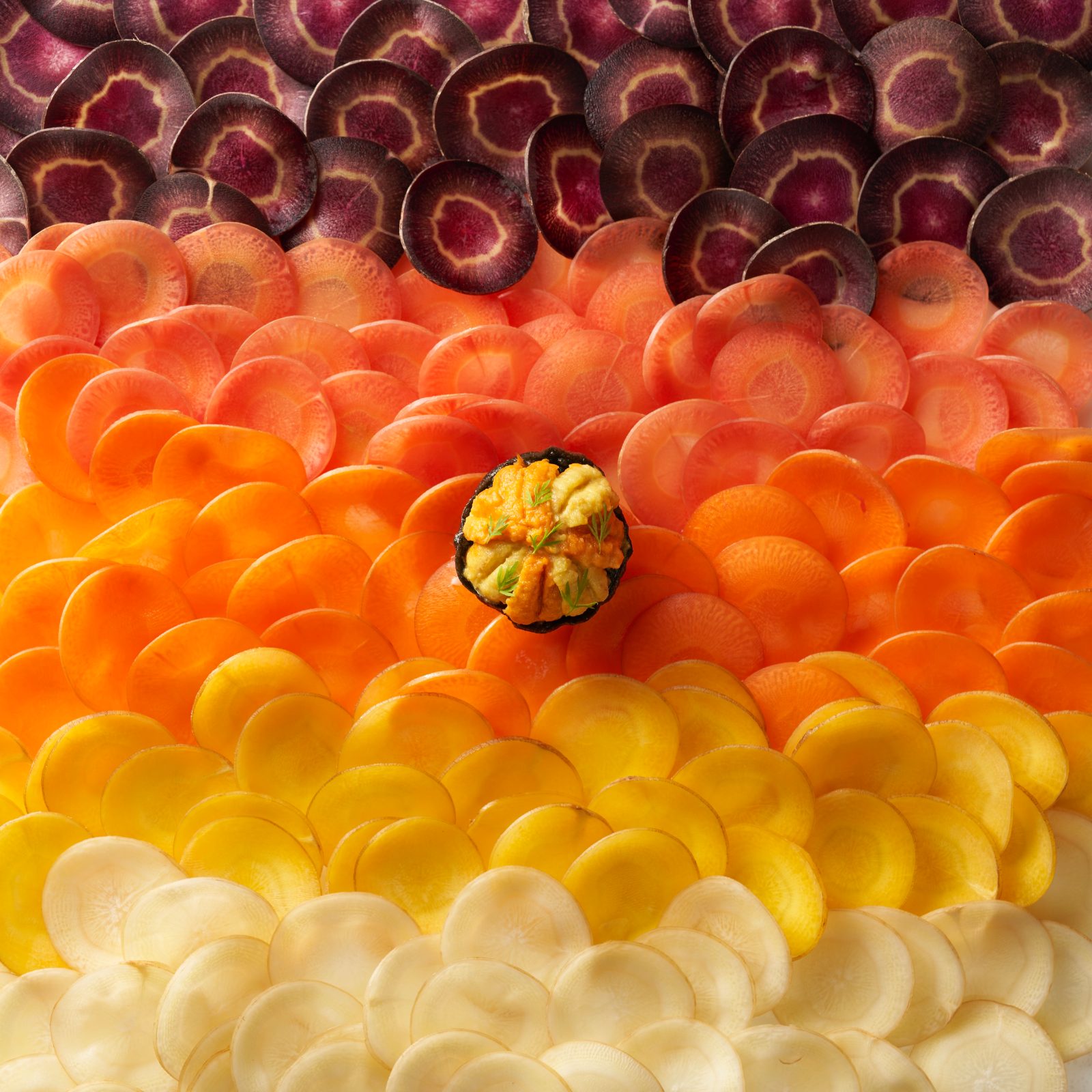
當我們決定做一份全植菜單,我們拒絕了三個慣例:
迴避、替代、模仿。
我們不用豆類假裝肉,不用甜菜根模仿牛排。
我們回到食物之所以美味的原點,鮮味、口感、風味。
只要具備這三者,一道菜便自己站得住腳,
無關它來自動物或植物。
一塊牛肉因為熟成,價值被重新認識。
那麼一朵白木耳,經過同樣的時間與耐心,
散發出茉莉般的香氣,
它的價值,為什麼不能被同樣認真地對待?
We rejected three conventions: avoidance, substitution, imitation. We returned to the origin of deliciousness — umami, texture, flavor. A cut of beef, through aging, has its value recognized anew. Then a snow fungus, given the same time and patience, releasing the scent of jasmine — why should its value be taken any less seriously?
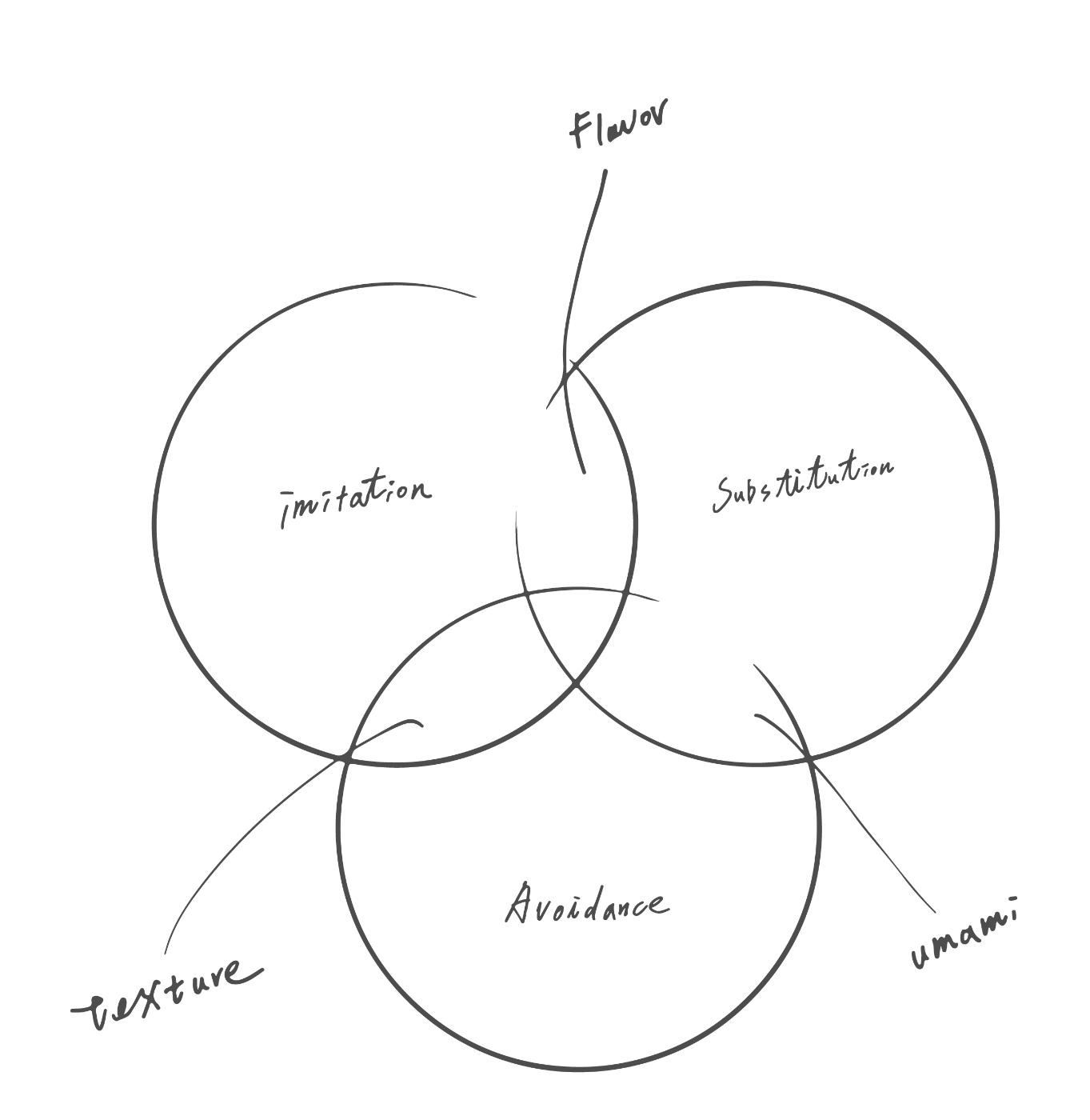
Imitation, substitution, avoidance — the three habits we set aside. What remains is what made food delicious in the first place: umami, texture, flavor.
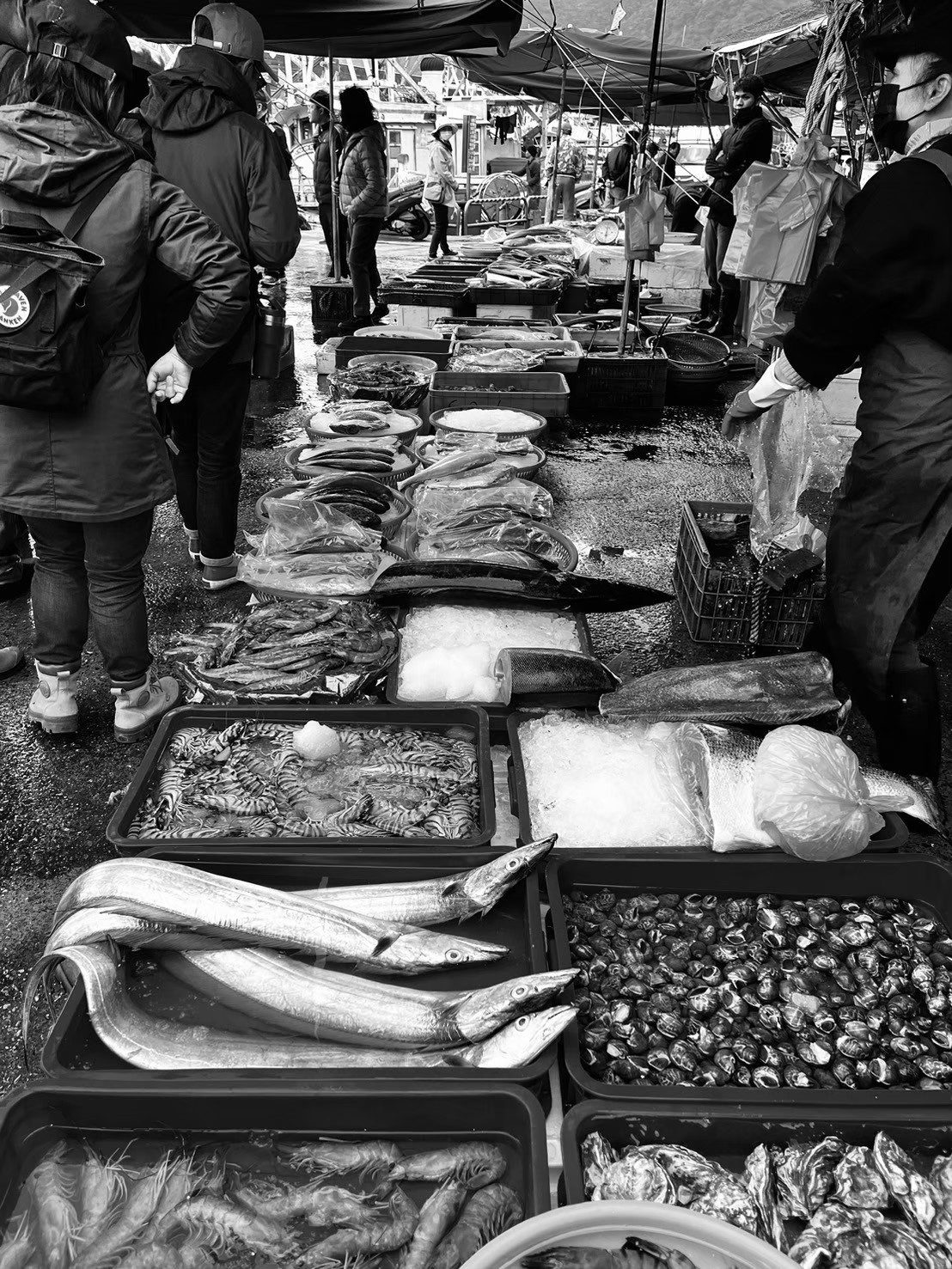
一網之中,只有約四成的魚有名字
牠們被稱為漁獲。
其餘的,被稱為「雜魚」。
不是因為不能吃,是因為不好賣。
我們無法改變捕撈的方式,
但我們可以改變「被看見」的方式。
當一網的價值被完整發揮,
原本要下三次的網,也許只需要兩次。
Only about forty percent of a net has names — they are called the catch. The rest are dismissed as bycatch: not because they cannot be eaten, but because they do not sell. When every fish in the net is fully used, a boat that once cast three nets may only need two.
全球每年約有近六成的漁獲丟棄來自拖網漁業;
在台灣,三大主要拖網漁場的混獲比例已接近五成。
Globally, nearly 60% of all discarded fish comes from trawl fisheries; in Taiwan, bycatch in the three major trawling grounds now approaches 50% of total catch.
— Pérez Roda et al., Scientific Reports (2019) / 國立臺灣海洋大學
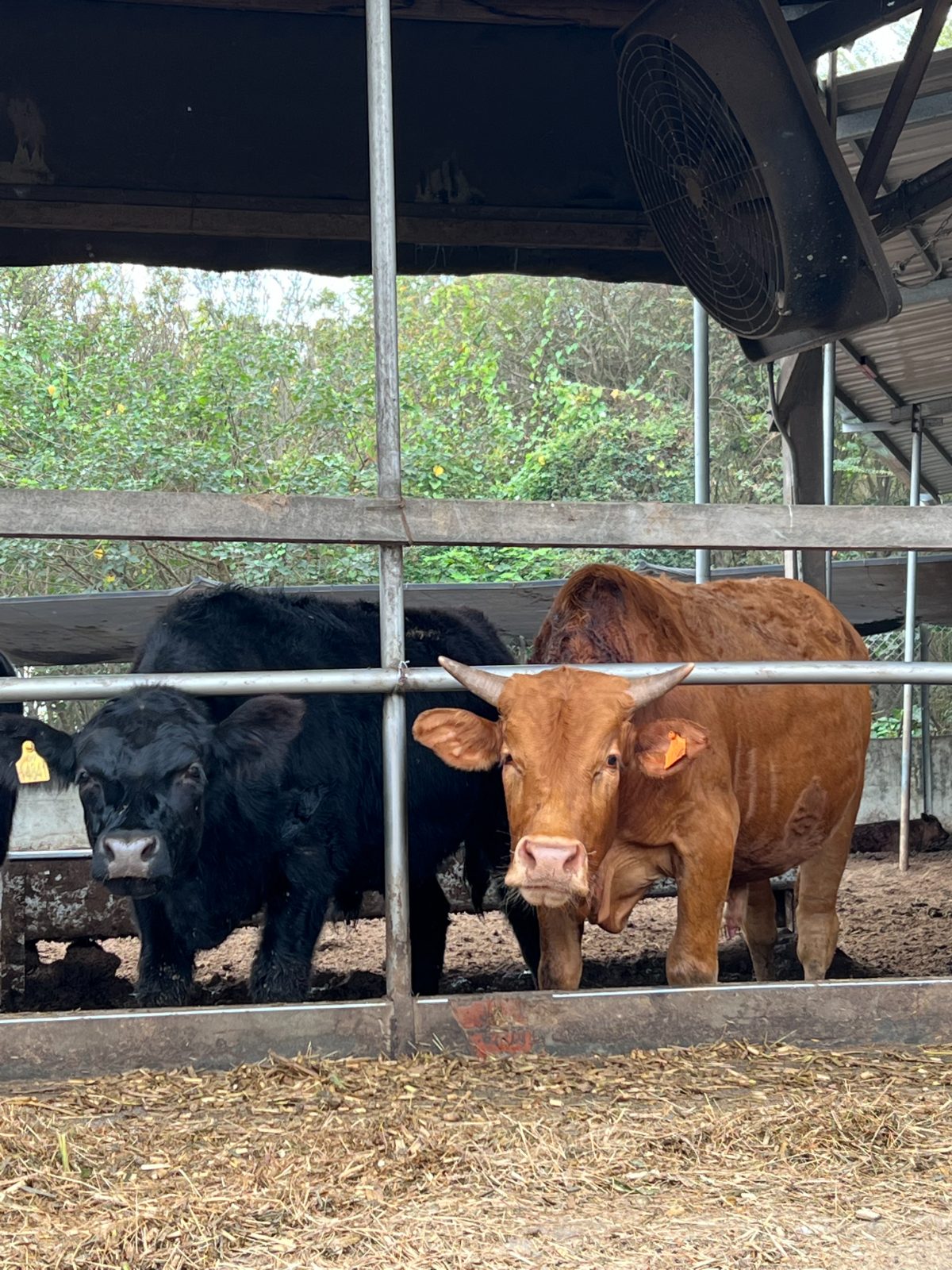
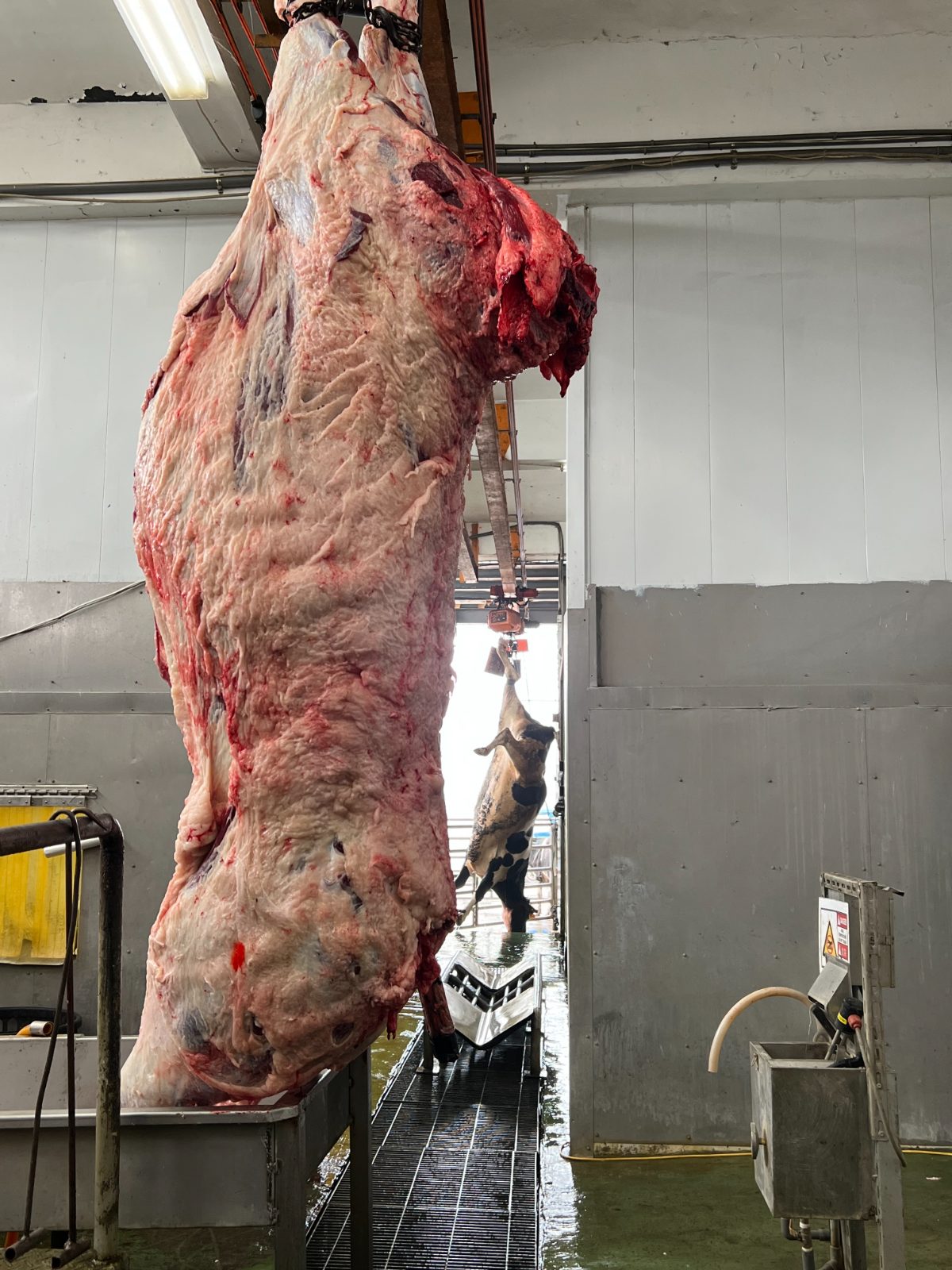
一次跟獵人上山狩獵,我們獵到兩隻山羌
一隻成年公羌,一隻幼年母羌。
同一個物種,同一個獵場,同一天獵獲。
當刀劃開身體的瞬間,氣味卻是兩個完全不同的故事:
公羌是木質與煙燻,母羌是清新的青草。
變數只有一個,牠們吃了什麼,活了多久。
那一刻,我們不是在處理食材,是在閱讀生命。
Once, hunting in the mountains, we took two muntjac — an adult male, a young female. Same species, same ground, same day. The moment the blade opened them, the scent told two different stories: the male, woody and smoked; the female, fresh with grass. One variable only — what they ate, and how long they lived. In that moment, we were not handling ingredients. We were reading life.
風味儲存在脂肪中。研究證實,飼料中的揮發性物質能直接轉移至肌肉組織,飼料改變後約兩週開始影響風味,三個月後趨於完成。決定風味的是飼料,而非品種。
Flavor is stored in fat. Volatile compounds in feed transfer directly into muscle tissue — it is the feed, not the breed.
— The Third Plate, Dan Barber
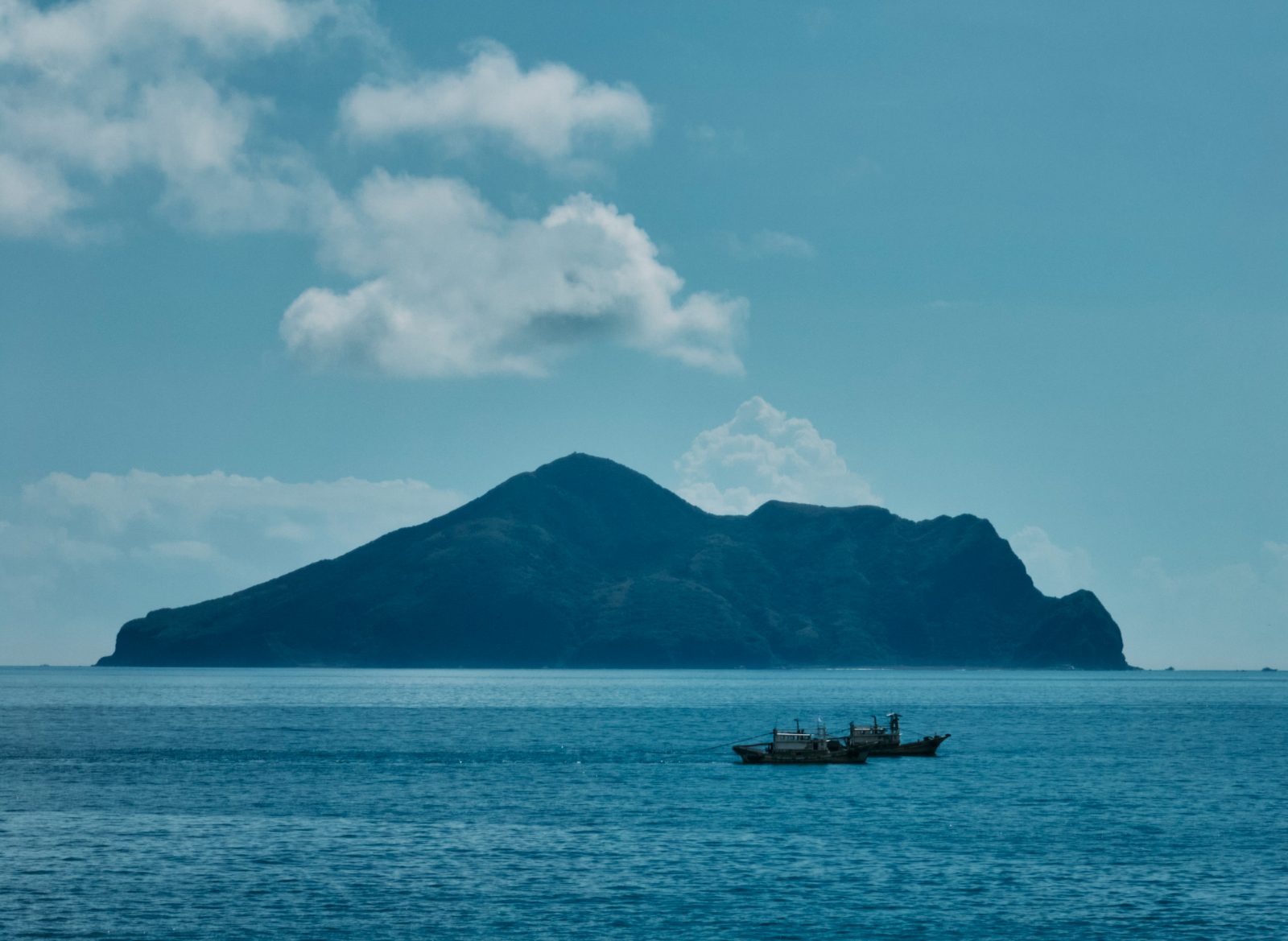
不單看廚師做了什麼,
請透過廚師去看
看見食材、風味,看見台灣這片土地。
EMBERS is a lens
through which you see Taiwan.
EMBERS,是一面讓你看見台灣的透鏡。
一份菜單的背後,是一群人。
農人、漁民、獵人、學者、牧養者
他們用完全不同的方式,做著同一件事:
把一種東西,認真地做到最好。
我們與他們合作,不是因為他們便宜、方便,或有名。
是因為我們相信他們。
而每一份信任的基礎,都不一樣。
Behind every menu is a group of people — farmers, fishers, hunters, scholars, keepers of animals. In completely different ways, they do the same thing: they take one thing, and do it seriously, all the way. We work with them not because they are cheap, convenient, or renowned. We work with them because we trust them. And the ground of each trust is different.
雜魚學不是從一條魚開始的,是從一個人的知識開始的。
國立臺灣海洋大學水產養殖學系的黃之暘副教授,
長年走進崁仔頂、大溪漁港、傳統市場
他認為,躲在實驗室和書本後面,無法識得食物的全貌。
他指出:櫻花蝦拖網混獲的燈籠魚,鮮美可口,
卻因價格低廉,長年被打成魚粉當飼料。
「從資源的觀點來看,牠們應該有更好的利用。」
這正是雜魚學的起點
不是我們發明的觀點,是我們向專業學習的結論。
信任知識,意味著我們願意承認:有些事,別人比我們懂得更深。
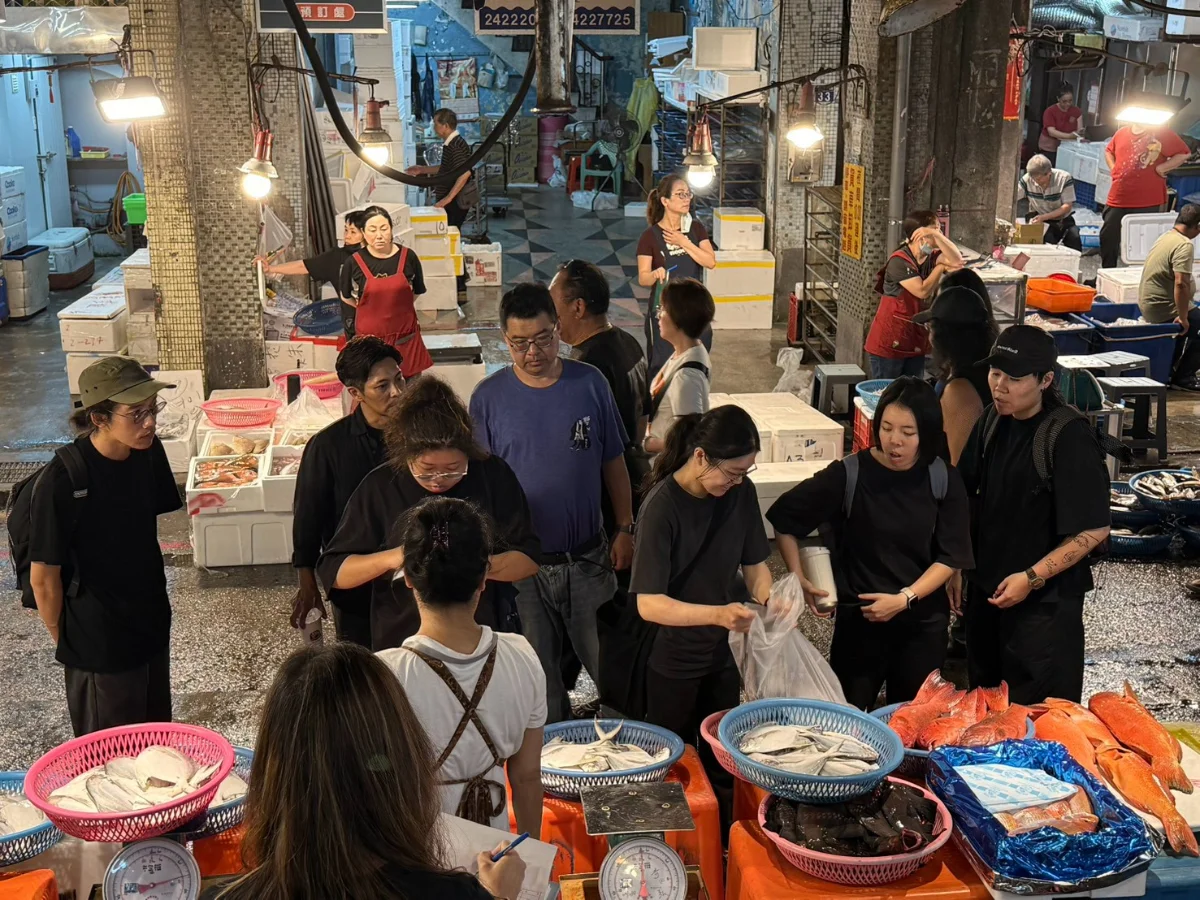
The study of bycatch did not begin with a fish; it began with one person's knowledge. Professor Huang Chih-yang of NTOU has spent years in Kanziding, Daxi harbor, and traditional markets, arguing that food cannot be understood from behind a laboratory bench. Lanternfish, taken as bycatch in sakura-shrimp trawls, are delicious yet ground into feed because they are cheap. Trusting knowledge means admitting that others understand some things more deeply than we do.
Source:〈今天吃魚了嗎?水產專家黃之暘〉,《上下游新聞》,2022
有些生產者的方式,無法用「技術」來解釋,只能用「信仰」來理解。
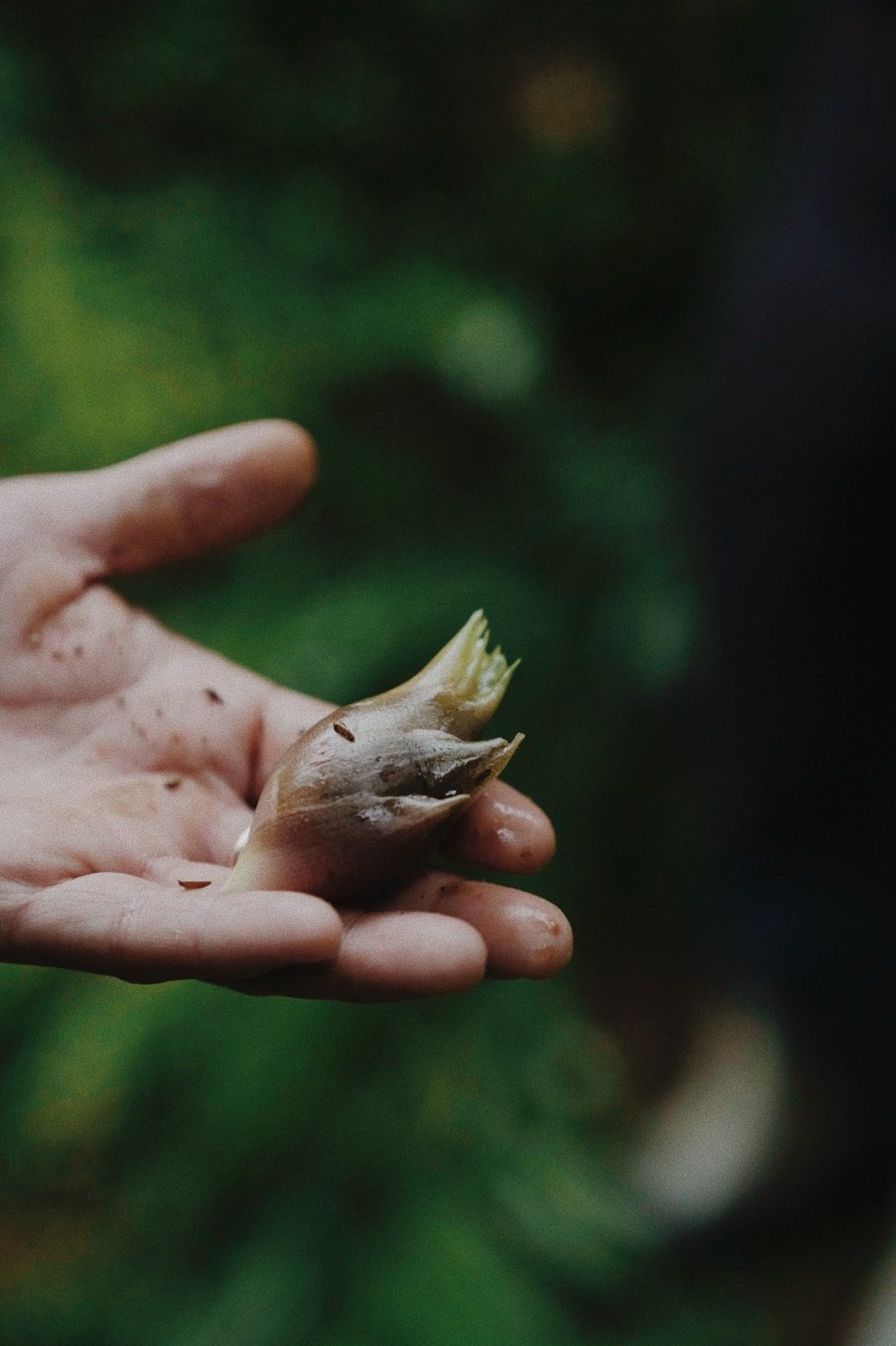
紅土森林小宇宙(Little Cosmos)是一座再生農場,建立在樸門(permaculture)的原則上,目標是逐漸從「人主導的生產」,交還給「自然的照料」。田裡播放著吟唱,作物在其中自在生長。
太巴塱的阿美族部落,以世代相傳的採集智慧,每週為我們更新當季的野菜。他們知道哪一種植物在哪一個季節、以什麼樣的姿態出現,這種知識,不寫在書上,寫在土地與時間裡。
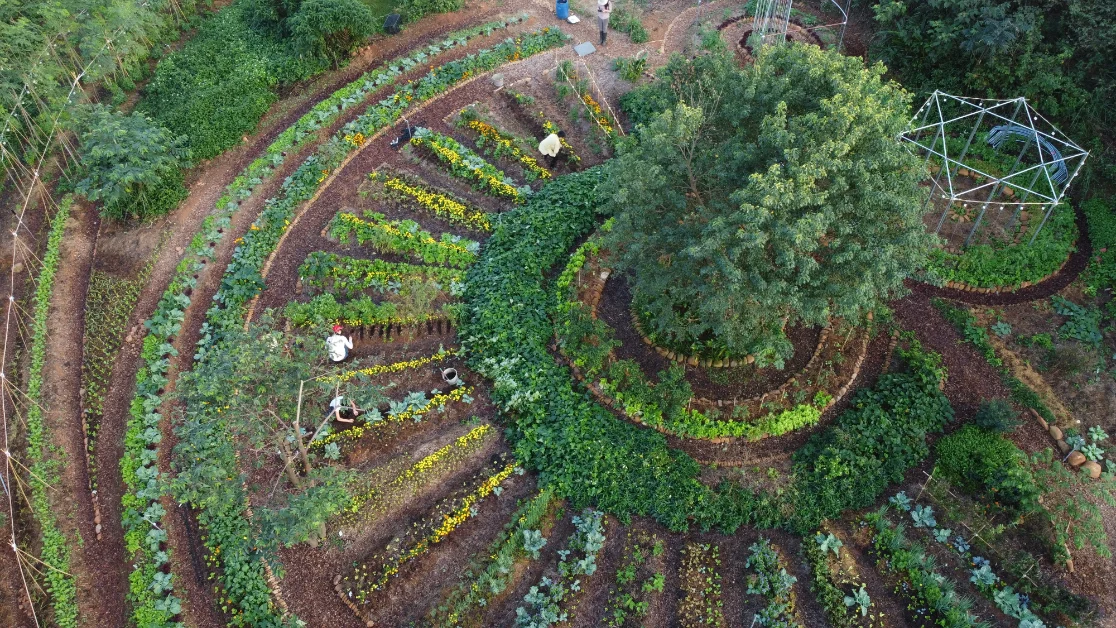
Some producers cannot be explained by “technique” — only understood through belief. Little Cosmos is a regenerative farm built on permaculture, working to shift gradually from human-led production to the care of nature itself; chanting plays in the fields, and the crops grow freely within it. The Amis people of Tafalong, with generations of foraging wisdom, renew our wild greens each week — knowing which plant appears in which season, in what form. This knowledge is written not in books, but in land and time. Their way of treating nature holds a reverence close to faith: the human is not the master of nature, but a part of it. We trust them because this humility is the oldest form of sustainability there is.
野域這張菜單建立在一個看似矛盾的信任上,我們談論肉,卻先談論對待生命的方式。
農場晃晃的根基是三代的畜牧與飼料專業,以亞麻籽為飼料主軸,理解風味如何從配方開始。但真正讓我們信任的,是經營者陳柏吟,一個對動物近乎執拗地關心的人。她建現代化人道畜舍,收購想離牧的養豬場,把農業格外品做成飼料、種狼尾草去化糞肥,在效率與善待之間,她始終選擇後者。
「讓動物吃什麼,就會長什麼。」
人道不是道德的口號,是風味的前提。我們相信善待動物的人,因為那份善待,最終我們都嚐得到。
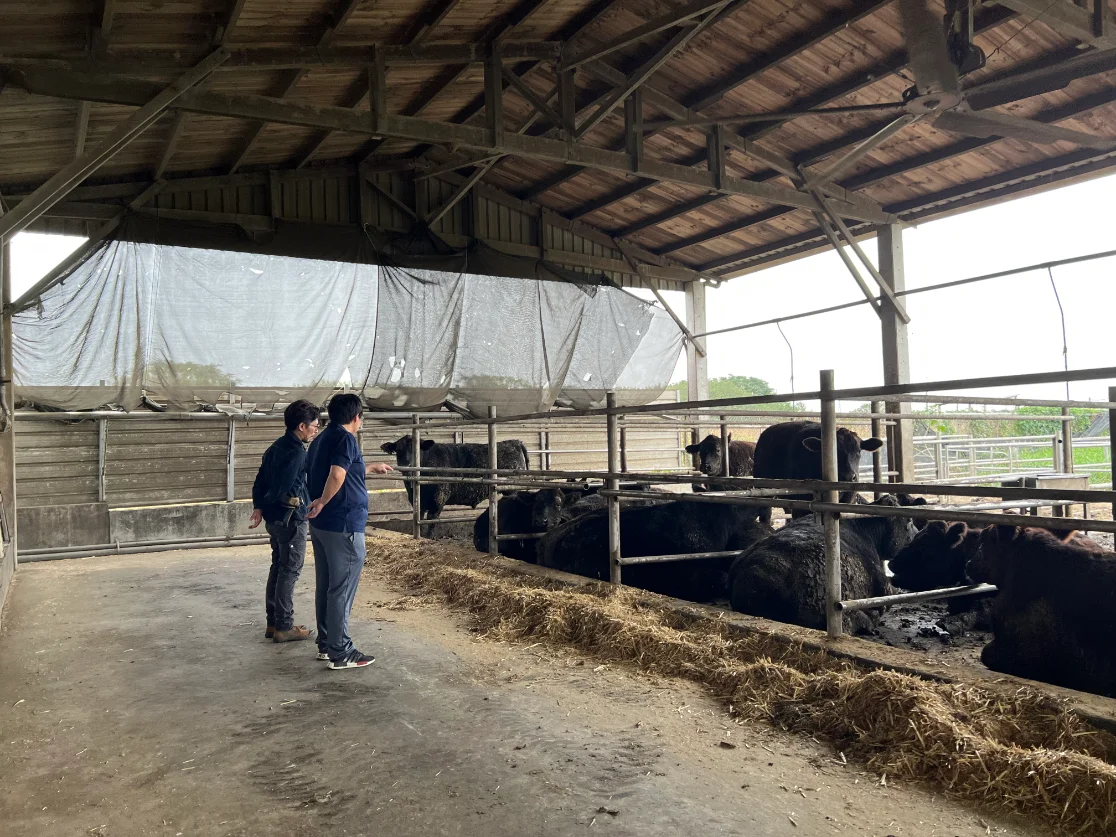
"What an animal eats is what it becomes."
Wild & Field rests on a trust that seems contradictory — we speak of meat, but first of how life is treated. Farm Wander is built on three generations of husbandry and feed expertise, using flaxseed as its foundation. But what earns our trust is its keeper, Chen Po-Yin: a person whose care for animals borders on the stubborn, who between efficiency and kindness always chooses the latter. Humanity is not a moral slogan; it is the precondition of flavor. We trust those who treat animals well, because in the end, that kindness is something we can taste.
Source:〈畜牧業的霸氣女總裁!陳柏吟打造畜產王國〉,《上下游新聞》,2024
我們談論相信土地、相信生產者、相信善待動物的人。但如果一間餐廳無法善待自己的團隊,那麼這一切的信任,都失去了根基。
"Learn to become a better person through your work."
學著在工作之中,成為一個更好的人。 — Wes Kuo
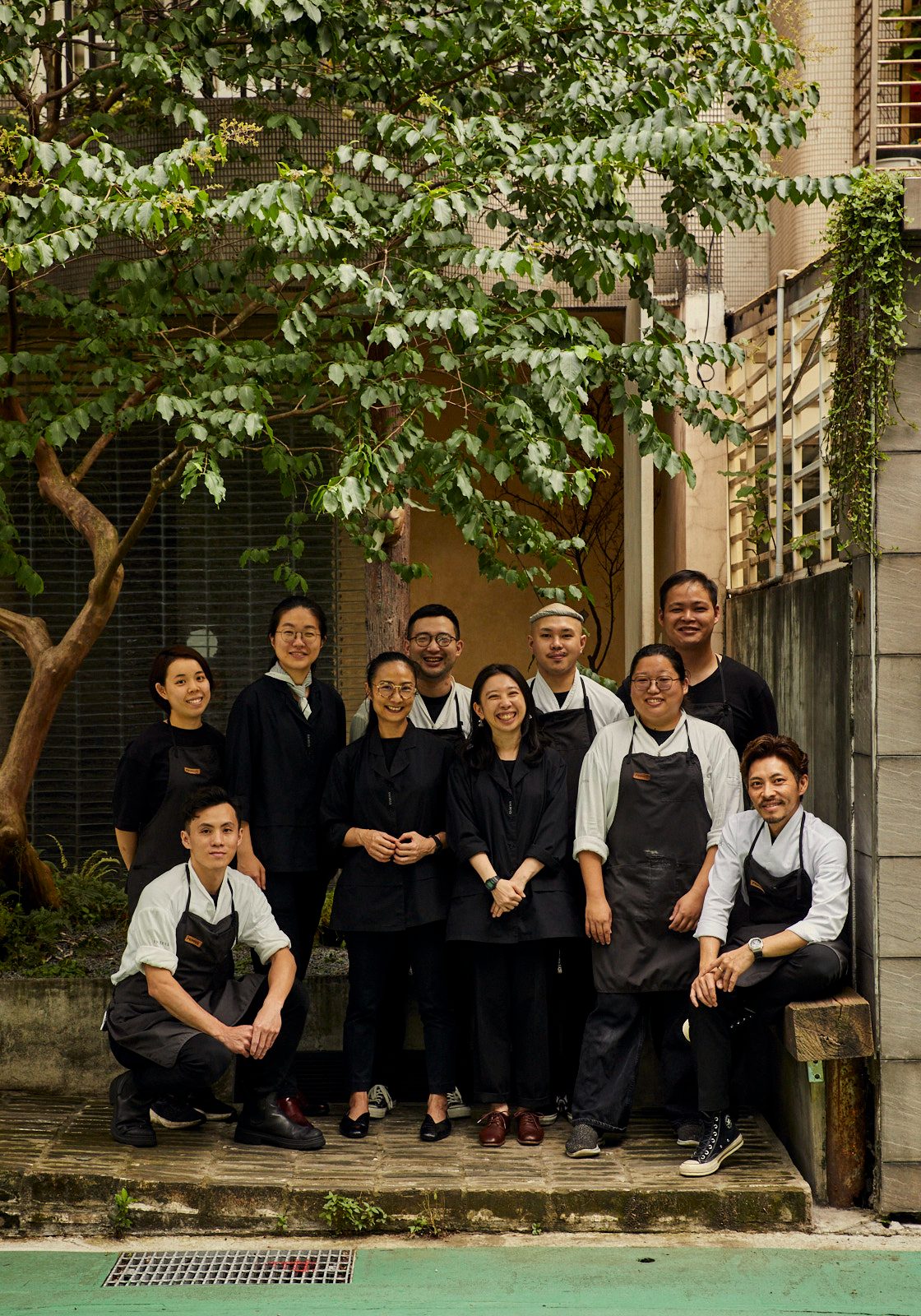
在 EMBERS 工作五年的廚房經理 Linda 說:「這份工作帶我去到從沒去過的地方,拜訪各行各業的專家,聽到從未聽過的故事,並與許多優秀的夥伴一起,思考並實踐許多從未想過的可能。」
外場夥伴 Hsin 則說:「在餐飲業裡,勞力常被視為理所當然的付出。但在 EMBERS,我學習到智慧地工作。這裡沒有僵化的規則⋯⋯每個人的觀點,都有被聽見的機會。」
因為一雙感到安全的手,才能做出誠實的料理。
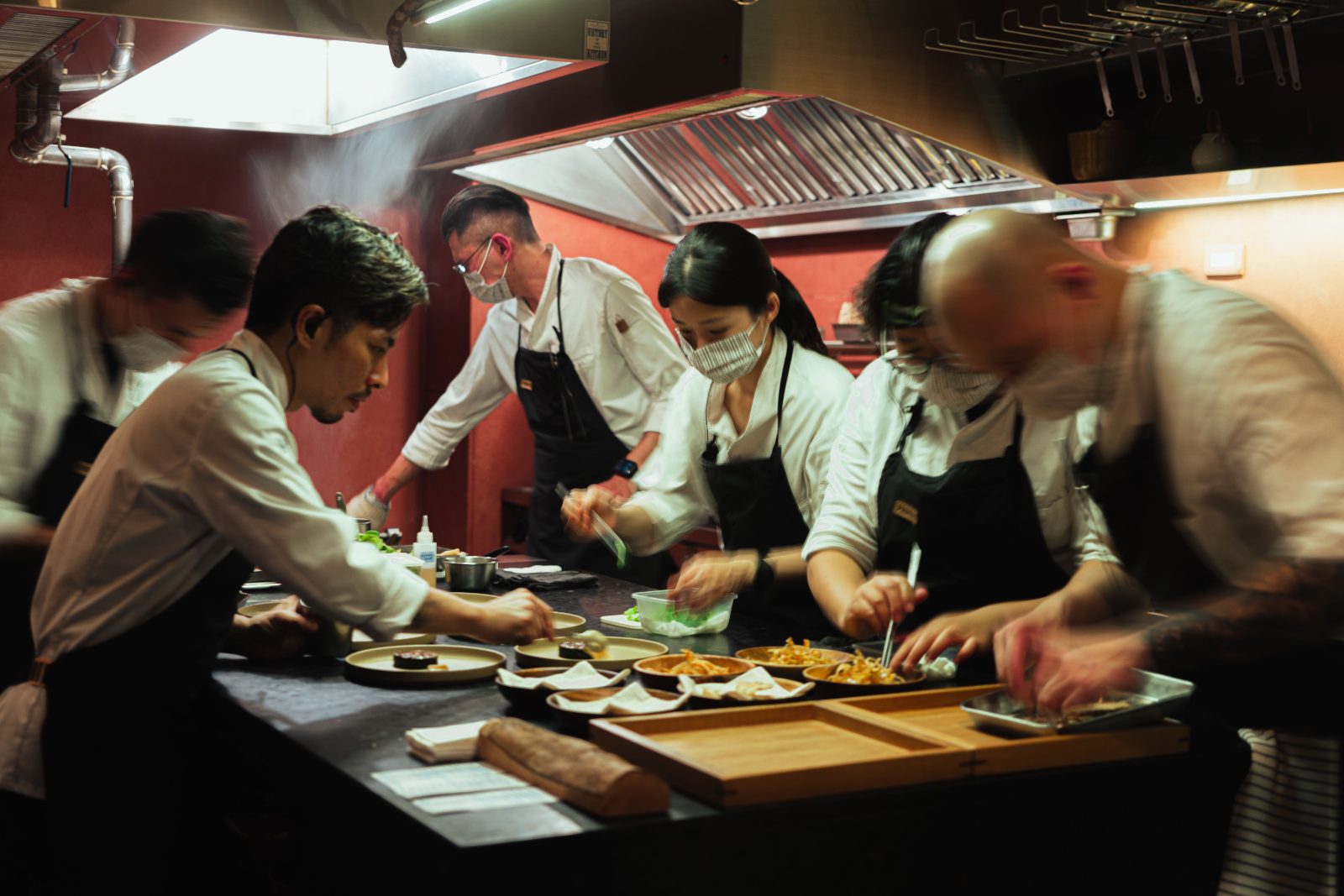
Cooking is high-pressure work. For too long, this industry has grown hierarchical, trading harshness for so-called excellence. We do not believe in that exchange. Linda, our kitchen manager of five years, says: “This work has taken me to places I had never been, to hear stories I had never heard — and to realize, alongside remarkable colleagues, possibilities I had never imagined.” Hsin, from our front of house, says: “In this industry, labor is often taken for granted. But at EMBERS, I have learned to work with intelligence. Every voice has a chance to be heard.” Because only hands that feel safe can cook with honesty.
Source:《名廚 MINGCHU》〈主廚以外的餐廳夥伴:EMBERS〉,2025
因為我們的料理,從來不是一個人完成的。
台灣原住民的傳統裡,有「天、地、人」的觀念
人取用自然,但始終是其中的一部分,
帶著敬意,帶著節制。
知識、信仰、人道,其實說的是同一件事:
我們如何與這片土地上的萬物,
建立一種值得信任的關係。
Because our cooking is never the work of one person alone. In indigenous Taiwanese tradition lies the idea of “heaven, earth, and human” — we take from nature, yet remain a part of it, with reverence, with restraint. Knowledge, belief, and humanity speak of one thing: how we build a relationship worthy of trust with all that lives on this land.
我們相信站在我們身後的每一雙手。
We trust every pair of hands that stands behind us.
我們計算。
不是為了證明自己做得多好,
而是為了誠實地知道:
我們走到了哪裡,還沒走到哪裡,
以及每一步,是不是真的能持續走下去。
數字不會替我們宣傳,數字只會告訴我們真相。
We measure. Not to prove how well we have done, but to know honestly: where we have reached, where we have not, and whether each step can truly be sustained. Numbers do not advertise for us. Numbers only tell us the truth.
在台灣,國產材的自給率不到 3%,
超過九成的木材仰賴進口。
選擇國產木材,等於選擇一件市場上幾乎無人在做的事。
EMBERS 開幕前,即以此為空間用材的準則。
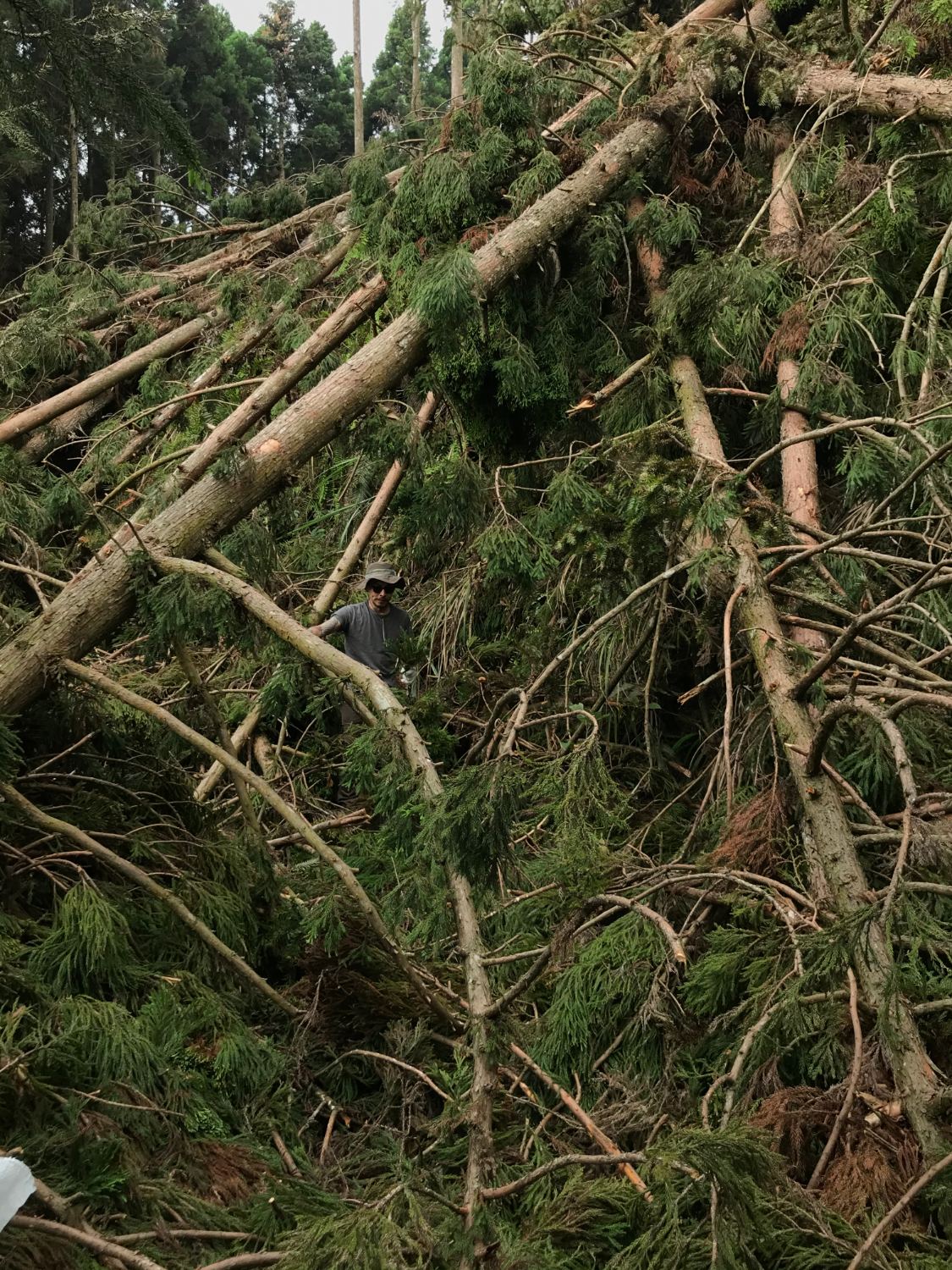
吧台取自新竹五峰海拔千米以上、三棵 25 公尺高的柳杉疏伐木。疏伐是永續林業的必要環節,適度疏伐能促進林木健康、增加森林碳匯,並減少進口木材的碳足跡,是台灣邁向 2050 淨零的核心策略之一。
In Taiwan, domestic timber makes up less than 3% of what we use. To choose domestic wood is to choose what almost no one does. Before it even opened, EMBERS set this as the principle for its space. The bar was made from three 25-meter cedar trees, thinned from a forest above 1,000 meters in Wufeng, Hsinchu.
由曲墨建築師事務所(郭恩愷 NK Kuo)以蒸氣曲木工藝打造的「窩流餘燼|EMBERS 曲木吧台空間」,同時榮獲 2020 金點設計獎「年度最佳設計獎」與第 13 屆 TID 台灣室內設計大獎「年度大獎」。一種被低估的本土木材,透過設計取得了價值的重新定義。
柳杉修枝疏伐後廢棄的樹葉,結合我們對風味的專業,蒸餾成一瓶琴酒「Deep Forest 柳杉深林」。一棵樹,從主幹到枝葉,沒有一部分被浪費。
一座吧台,讓永續林業與設計的討論被更多人看見
一間餐廳,也能是一次跨越產業的提問。
這一切,都發生在 EMBERS 的第一年,早於任何一張認證。
The “EMBERS curved-wood bar,” crafted by Curvink Architects (NK Kuo), won both the Golden Pin Design Award’s Best Design of the Year and the 13th TID Award’s Best of the Year. The leaves discarded from thinning were distilled into a gin — “Deep Forest.” Of one tree, no part was wasted. All of this in EMBERS’ first year — earlier than any certification.
資料來源:農業部林業及自然保育署;2020 金點設計獎年度最佳設計獎、第 13 屆 TID Award 年度大獎(窩流餘燼|EMBERS 曲木吧台空間/曲墨建築師事務所);台灣建築報導雜誌
從開業起,我們就想把瓶裝水做到最少負擔。最初,我們試過用寶特瓶裝的礦泉水,它確實減少了玻璃瓶,卻在體驗與價值感上留下落差,對一間餐廳來說,這是一個誠實的難題。
於是我們轉向另一個問題:
如果一定要用瓶子,能不能讓每一支瓶子真正回到循環?
一般清運收走的玻璃,多半進入焚化或掩埋,並不構成回收。2022 年,我們慎重地聯繫進口通路商,希望一起建立玻璃回收的機制。意外的是,對方正好也在那一年開始規劃同一件事。
更難得的是,他們的回收沒有差別待遇,連我們不是向他們購買的酒瓶,也一併回收。我們要做的,只是把空瓶依顏色分類,並在餐廳裡保留足夠的空間,讓它們暫時停留。
From the day we opened, we wanted bottled water to be as light a burden as possible. At first we tried mineral water in PET bottles — it did cut down on glass, but left a gap in experience and value. So we turned to another question: if bottles must be used, can every one truly return to the loop? Glass taken by general waste is mostly incinerated or buried — not recycling at all. In 2022, we reached out to our importer; to our surprise, they had begun planning the very same thing that year. Rarer still, their recycling made no distinction — even wine bottles we had not bought from them were taken back.
自 2022 年 8 月起,四年來累計 10,158 支、
約 5,200 公斤玻璃回到循環,
最終匯入國內玻璃再生龍頭春池玻璃。
重量約等於一頭成年大象;
若頭尾相接,約可疊起六座台北 101。
而讓這些玻璃重回循環,
相當於減少約 900 公斤的碳排放
約等於 90 棵樹一整年的吸碳量。
這不是一套被拿來宣傳的機制。直到今天,或許還有很多人不知道,有一家礦泉水供應商,默默做著這件事。他們的水單瓶成本比別家高一些,但我們認同這個理念,願意用行動支持,何況,他們的產品本身也真的很好。
Since August 2022, 10,158 bottles — about 5,200 kilograms of glass — have returned to the loop, flowing into Spring Pool Glass. Returning this glass saves roughly 900 kilograms of CO₂ — about what 90 trees absorb in a year. It is not a mechanism made for publicity. Their water costs a little more per bottle — but we believe in the idea, and support it with action.
數據標記:透明瓶 6,176 支已查證;深色瓶為估算;瓶重採 2026-07 實測;碳排以國際係數估算,減碳約 0.9 公噸(歐盟係數上看 3.5 公噸)
Source:春池玻璃、環境部、Close the Glass Loop、GPI "Don't Trash Glass"
廚房每天都會產生過剩食材、大量製備後的邊角料
它們仍具完整的風味與營養。
2022 年起,EMBERS 與 NGO「人生百味」合作,將這些食材轉化為一份份熱騰騰的待用餐,送到台北車站周邊無家者的手中。五年間,六次行動,累計 1,057 份。從第四次起,我們固定參與人生百味的「街頭尾牙」,與街頭的大哥大姐共度年節。
麻油雞、咖哩飯、砂鍋魚頭、可樂餅、馬鈴薯濃湯、三鮮羹
每一道,都來自廚房裡不該被浪費的食材。
這從來不是行銷活動,是廚房日常的自然延伸。
料理的延伸可以是照料與理解,
不一定要亮麗,也一樣可以實踐。
Every day, a kitchen produces surplus ingredients and trimmings still full of flavor and nourishment. Since 2022, EMBERS has worked with the NGO Do You a Flavor to turn these into warm meals for people without homes near Taipei Main Station. Over five years, six actions, 1,057 meals. This was never a marketing activity. It is the natural extension of an ordinary kitchen — the extension of cooking can be care and understanding; it need not be glamorous to be real.
Partner:人生百味 Do You a Flavor
一間餐廳每天消耗的保鮮膜,是廚房裡最不起眼、卻幾乎無所不在的耗材。使用時間以分鐘計,但它的材質,PVC,在環境中能存在數百年。
一支保鮮膜,攤開約 60 公尺。從 2022 年 10 月導入可重複使用的矽膠蓋後,我們每月的用量從 8.6 支穩定降到 5.5 支,每個月,少用了約 3 支。四年累積下來,我們沒有用掉的保鮮膜,攤開約 8,900 公尺,足以疊起 17 座台北 101,或攀上兩座玉山的高度。
這件事,我們分三個階段有紀錄地完成:矽膠蓋減少需求、環保外盒減少紙盒、商用大捲減少紙管。四年累計減少約 20 公斤 PVC、約 200 個一次性紙盒,採購費用同步下降約一半。
但我們也誠實承認邊界:全蔬食菜單本身就降低了保鮮膜的需求,這份效果與矽膠蓋疊加,難以完全區分。我們選擇揭示這些邊界,因為永續報告的可信度,建立在對不確定性的誠實承認之上。
The cling film a restaurant uses each day is the humblest, most ubiquitous thing in a kitchen — used for minutes, made of PVC that lasts centuries. One roll unrolls to about 60 meters. Since adopting reusable silicone lids in October 2022, our monthly use fell from 8.6 rolls to 5.5. Over four years, the cling film we did not use would unroll to about 8,900 meters — enough to stack seventeen Taipei 101 towers, or climb the height of two Mount Jade summits. But we admit the edges honestly: the plant-based menu itself lowered demand, an effect that overlaps with the lids. We reveal these boundaries because the credibility of a sustainability report rests on the honest admission of uncertainty.
數據來源:供應商叫貨紀錄 × 環保平台 × 商用採購記錄,2022/02–2026/06 逐月完整追蹤
換算:每支 60 公尺,以矽膠蓋導入後月均減量 3.1 支保守估算
一間餐廳的廚餘,是最容易被忽略的一種浪費。回收業者往往無法妥善分類廚餘,它長年被當成一般垃圾處理。但廚餘含有大量水分與油質,與一般垃圾一起焚化,會耗費更多能源、燃燒不完全,每一袋被丟棄的廚餘,都是一份被錯置的資源。
我們的做法,從源頭開始。
最有效的減量,永遠發生在廚餘產生之前:食材的挑選、冰箱的管理、如何把一種食材用到最完整。
乾廚餘(未烹調的果皮、蛋殼)優先交給兩箱、約 1,500 隻紅蚯蚓消化,餘量與濕廚餘則交給小型廚餘機。根據觀察,這群蚯蚓每週能吃掉約 4–5 公斤乾廚餘。十五個月間,我們每日過磅,累計 388.3 公斤乾廚餘進入循環,沒有被送進焚化爐。
The food waste of a restaurant is the most easily overlooked kind of waste. Collectors often cannot sort it, so it is treated as general trash — yet its high water and oil content makes incineration less efficient. Every discarded bag is a misplaced resource. Our approach begins at the source; then we sort. Dry scraps — uncooked peels, eggshells — go first to two boxes of about 1,500 red worms, the rest to a small composting machine. Over fifteen months of daily weighing, 388.3 kilograms of dry food waste entered the loop rather than the incinerator.
但我們必須誠實:這不是一條筆直的曲線。
計畫初期,因為照顧經驗不足,蚯蚓曾經大量死亡;
我們重新補養 600 克紅蚯蚓,
才慢慢建立起照顧一箱生物的節奏。
而且,還有一個我們尚未解決的缺口
「雜魚學」上線後,菜單轉為以海鮮為主,
但蚯蚓不吃葷,大型骨頭與海鮮廢料
至今仍無法納入這個循環。
這是我們下一階段要面對的課題。
But we must be honest: this was no straight line. Early on, through our inexperience, the worms died in great number; we raised 600 grams of them anew, and only slowly learned the rhythm of caring for a living thing. And a gap remains — since Essential turned our menu toward seafood, the worms, which do not eat meat, cannot take in large bones and seafood waste. This is the task of our next stage.
"To close the loop is not to make waste disappear, but to face honestly where each ingredient comes from, and where it goes."
循環不是把廚餘變不見,而是誠實面對每一份食材從哪裡來、往哪裡去。
數據來源:EMBERS 廚房廚餘循環計畫每日過磅紀錄,2024/01–2025/04(15 個月)
蚯蚓數量以現重 0.6 kg、每台斤約 1,500 隻紅蚯蚓估算
我們計算,不是為了漂亮的數字。
「我們的經濟至今仍多為線性,只有 12% 的二次材料與資源被重新帶回循環之中。」
"Today, our economy is still mostly linear, with only 12% of secondary materials and resources being brought back into the economy." — Frans Timmermans, 2020
我們計算,是為了確保在 EMBERS,這個數字可以不一樣。
一支瓶子、一份食材、一捲保鮮膜
我們追蹤它們,讓它們盡可能地留在循環裡。
因為永續的目的是「持續」,而不是為了做而做;
我們追求的不是一次到位的完美,
而是確保每一步都真的走到,也能持續地走下去。
「就像大自然一樣,確保沒有一樣東西被浪費。」
"Just like nature, make sure that nothing is wasted." — EU Circular Economy Action Plan, 2020
一個全球認可的永續獎項,
在設立六年後,宣布走入歷史。
曾經獲獎的餐廳被告知,
往後不能再對外展示這份榮譽。
EMBERS 對永續的實踐,
不會因為這份榮譽的存在或消失,而有任何改變。
因為我們做這些事,從來不是為了那顆星。
在它出現之前,我們已經如此
從開幕起,就選擇了不到 3% 的國產柳杉;
把廚房的餘裕送上街頭;
讓每一支瓶子、每一片枝葉,
都盡可能回到它該有的位置。
一個標章的存在或消失,
無法定義一件從一開始就內化的事。
A globally recognized award for sustainability has announced its end, six years after it began; the restaurants that once held it were told they could no longer display it. Yet EMBERS' practice of sustainability changes not at all — whether that honor exists, or ceases to. Because we never did these things for a star. Before it appeared, we were already this — choosing, from the very start, the domestic cedar that makes up less than 3% of what Taiwan uses; carrying the kitchen's surplus to the street; returning every bottle, every leaf, as far as possible to where it belongs. The presence or absence of an emblem cannot define what was internalized from the very beginning.
因為它不依賴掌聲。
國際上最具公信力的永續餐飲組織之一,永續餐廳協會(SRA)曾說:真正的承諾需要誠實,坦白自己走到旅程的哪個階段,因為沒有人一開始就把每件事做對;我們能做的,是持續且可衡量的進步,今天比昨天更好,明天比今天更好。我們沒有時間追求完美主義。
這正是我們選擇「計算」的原因。當一份認證可以靠一紙報告取得、卻無人查證,真正能證明永續的,從來不是標章,而是那些可以被追蹤、被檢驗、被誠實承認邊界的行動。
這份宣言不是一個總結,是一個起點。
一間餐廳能做的,不止於餐桌。2020 年,我們用一座柳杉吧台,讓國產木材與永續林業的討論被更多人看見;2025 年,我們用「雜魚學」,讓海洋資源的議題走進設計與藝術的現場,兩者都獲得了金點設計獎的年度最佳肯定。
料理可以是一種語言,讓那些嚴肅的議題,被不同領域的人聽見。這正是我們接下來要繼續的事。
野域(Wild & Field)即將展開,延續我們對土地的提問;
而《iá 野植風味學》(Flavorology of Wild Plants),
會持續記錄這座島嶼上那些被忽略的風味。
Before it, we were this.
After it, we remain.
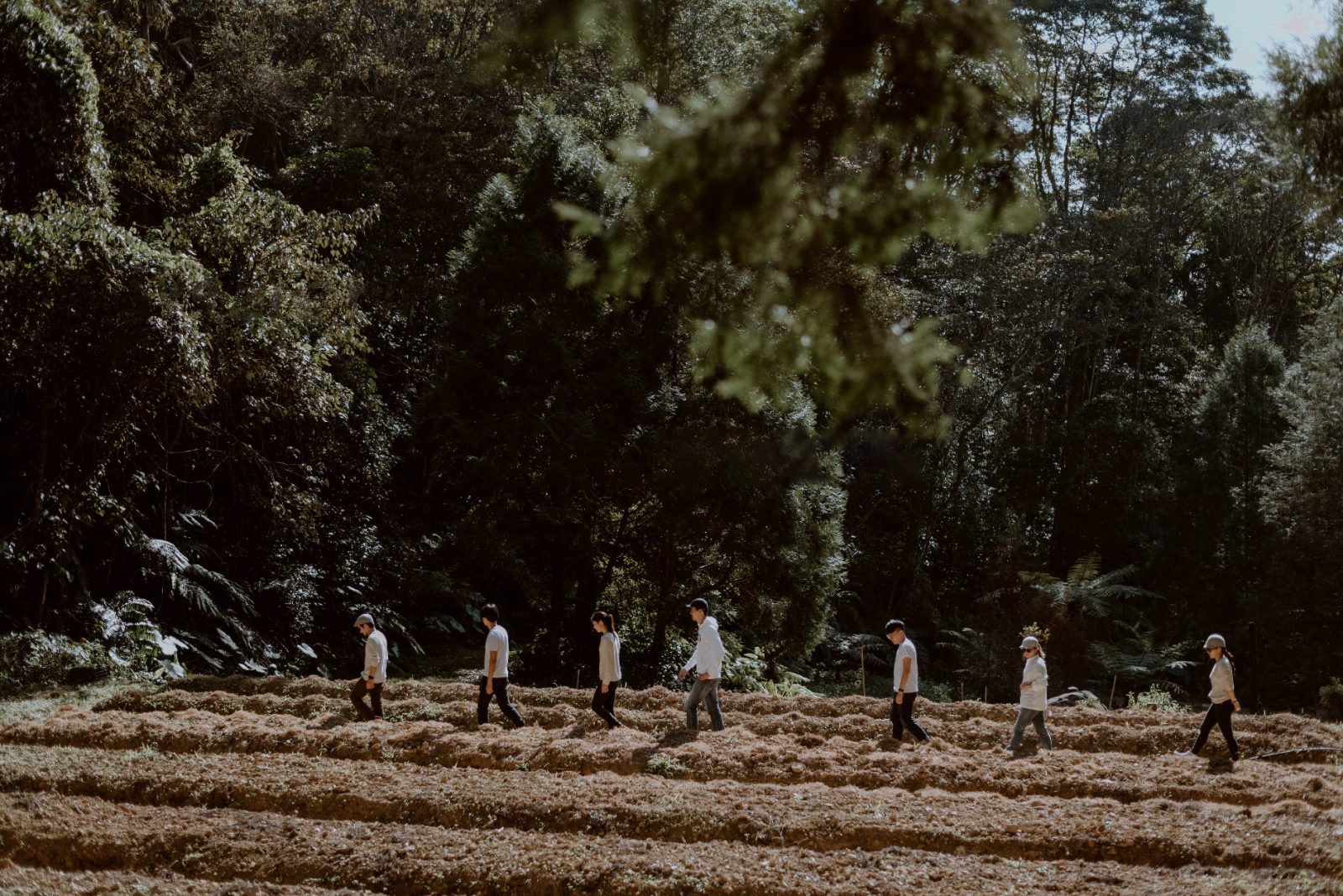
在這之前,我們如此;
在這之後,我們依然。
Because it does not depend on applause. The Sustainable Restaurant Association has said: real commitment requires honesty — being open about where you are on the journey, because no one gets everything right from the start; all any of us can do is commit to consistent, measurable improvement, better today than yesterday. We have no time for perfectionism. This is exactly why we choose to measure. This manifesto is not a conclusion. It is a beginning. In 2020, a cedar bar carried the conversation of domestic timber and sustainable forestry to a wider world; in 2025, “Essential” brought the question of ocean resources into design and art — both honored as Best Design of the Year by the Golden Pin Design Award. Cooking can be a language, letting serious questions be heard by people in other fields. Wild & Field is about to begin; and iá, Flavorology of Wild Plants, will keep recording the overlooked tastes of this island.
台灣陸地面積佔全球不到萬分之一,海域卻孕育約全球十分之一的魚類物種(約 3,000 種/全球約 32,000 種)。「雜魚學」使用了台灣周遭約 300 種,等同觸及全球魚類多樣性的百分之一。
資料來源:中央研究院生物多樣性研究中心;國立海洋生物博物館;邵廣昭〈台灣是海洋生物多樣性之島〉
這個數字以自我陳述的方式呈現。EMBERS 的採購建立在與生產者的直接關係上,而非固定、單一的供應鏈;季節在變,土地在變,合作的對象也隨之流動。我們無法列出一份一成不變的供應商清單,但可以誠實地說:餐盤上絕大多數的風味,都來自這片土地。
此數據為 EMBERS 依採購經驗之自我評估,非第三方稽核值。所有數據均以實測或合理估算為基礎,並標註可信度邊界。
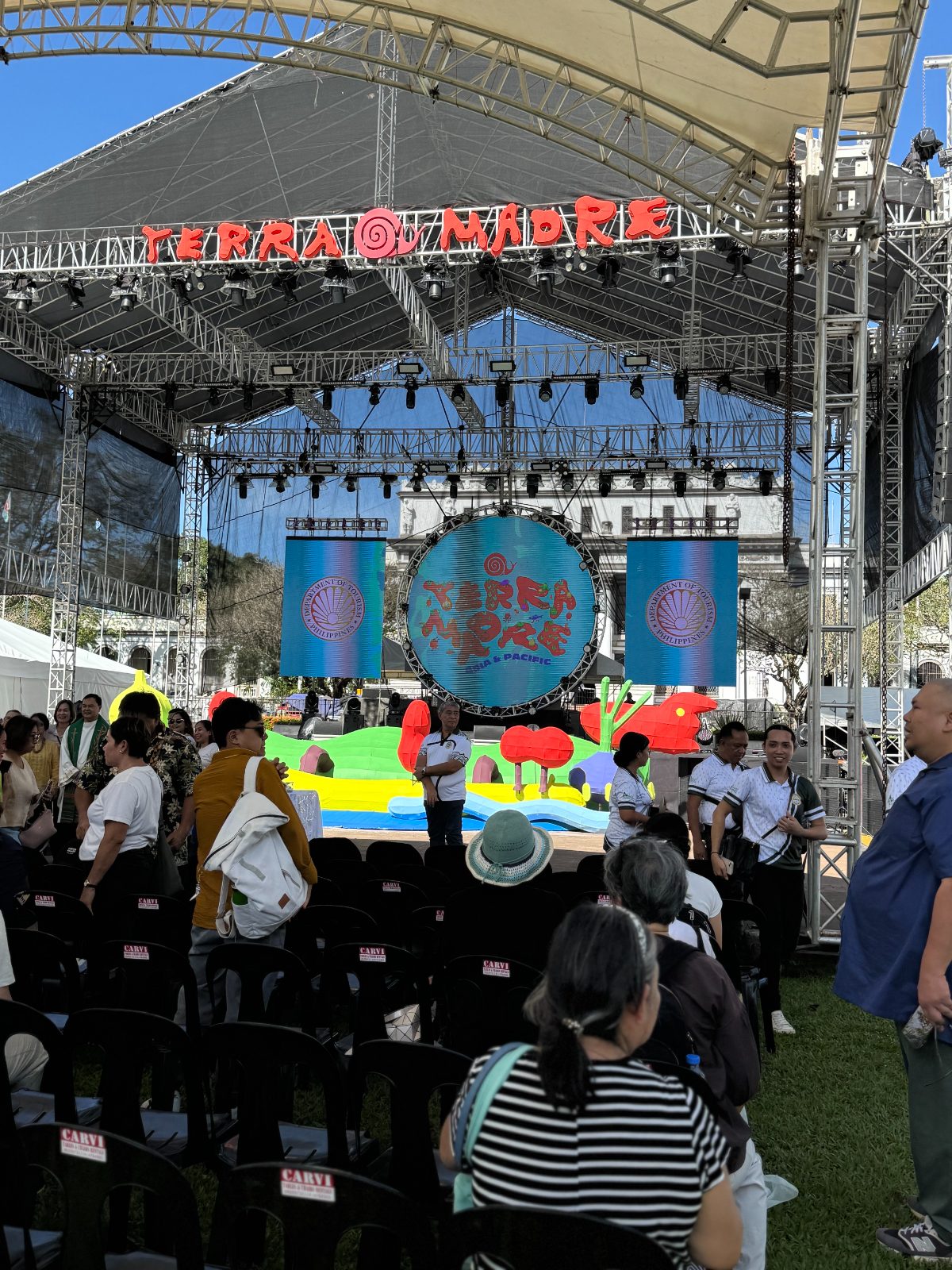
永續不會只發生在一間餐廳的廚房裡。它也發生在餐桌之外,在一場跨越國界的對話裡,在我們如何向世界,重新說一次台灣的故事。
2025 年 11 月中旬,EMBERS 主廚 Wes(郭庭瑋)飛抵菲律賓內格羅斯島的巴科洛德,出席首屆「亞太慢食年會」,這是慢食運動在亞太地區第一次舉辦的跨國聚會。這一屆台灣共有四個慢食組織與會:慢食臺東、台灣原住民慢食網絡、苗栗慢魚海岸、客庄慢食;而 Wes 是本屆唯一受主辦方邀請的台灣廚師。台灣雖尚未成立國家級的慢食組織,但在五天的年會裡,台灣的身影無處不在。
"The more local, the more international."
越在地,越國際,而這個「地」字,是土地、是山、是海,也是島上生活的每一個族群。
在年會觸及最廣的公開論壇上,我們換一個角度說台灣,主題訂為〈土地的回音:台灣主食文化的活態傳承〉。論壇從一個提問開始:台灣人的主食是什麼?多數人答「米飯」,但今日普遍食用的蓬萊米遲至 1926 年才育成,當代米食史還不到一百年。
若把時間拉到至少 3,500 年的南島語族歷史,會看見一幅完全不同的飲食地圖:小米、芋頭、豆類、玉米、旱稻與各種根莖。官方認定的 16 個原住民族中,就有 10 個族群以小米為核心主食,並環繞著它發展出歲時祭儀與文化。
論壇上,慢食臺東的 Lily 姊(魯凱族達魯瑪克)與 Ibu(布農族崁頂)以原住民身分現身說法:布農族依月亮盈虧安排農事與祭典的小米曆法,魯凱族把芋頭烘烤、曬乾、磨粉保存的主食智慧,都是古老而永續的技術。
"Nature is future."
未來的答案,都藏在自然裡。保存主食的多樣性,就是為未來的餐桌保留選項。
"We make our drinks slowly — because we wait for the plants to grow, and for the seasons to turn."
我們做飲料真的很慢,因為我們要等植物生長、等季節變化,就如同 Slow Drink 字面上的意思。 — Wes Kuo
在以飲品為主題的 Slow Drink 展區,Wes 與慢食臺東的夥伴 Ibu 共同主持了一場以「台灣野草文化的過去與未來」為題的分享。Wes 從台灣的地理與極高的植物多樣性談起,Ibu 則分享布農族的植物與草藥智慧,帶著來自七個以上國家的聽眾,一起品飲以布農族語 Mihumisang(意為「好好呼吸」)命名的野草茶。
下半場,Wes 以台灣人熟悉的「沙士」為主軸,端出自製的「台灣野草沙士」,以馬告、大葉田香、洛神與月桃這些代表性的台灣風味植物,重新詮釋一款傳統氣泡飲,讓被視為理所當然的野草文化,走進未來的日常。
關於慢食運動:1989 年在義大利創立,倡議「好、潔淨、公平」的飲食體系,目前於全球 160 多個國家運作;Terra Madre(大地母親)自 2004 年起集結農夫、漁民、牧養者、廚師與原住民族,共同思考飲食的未來。
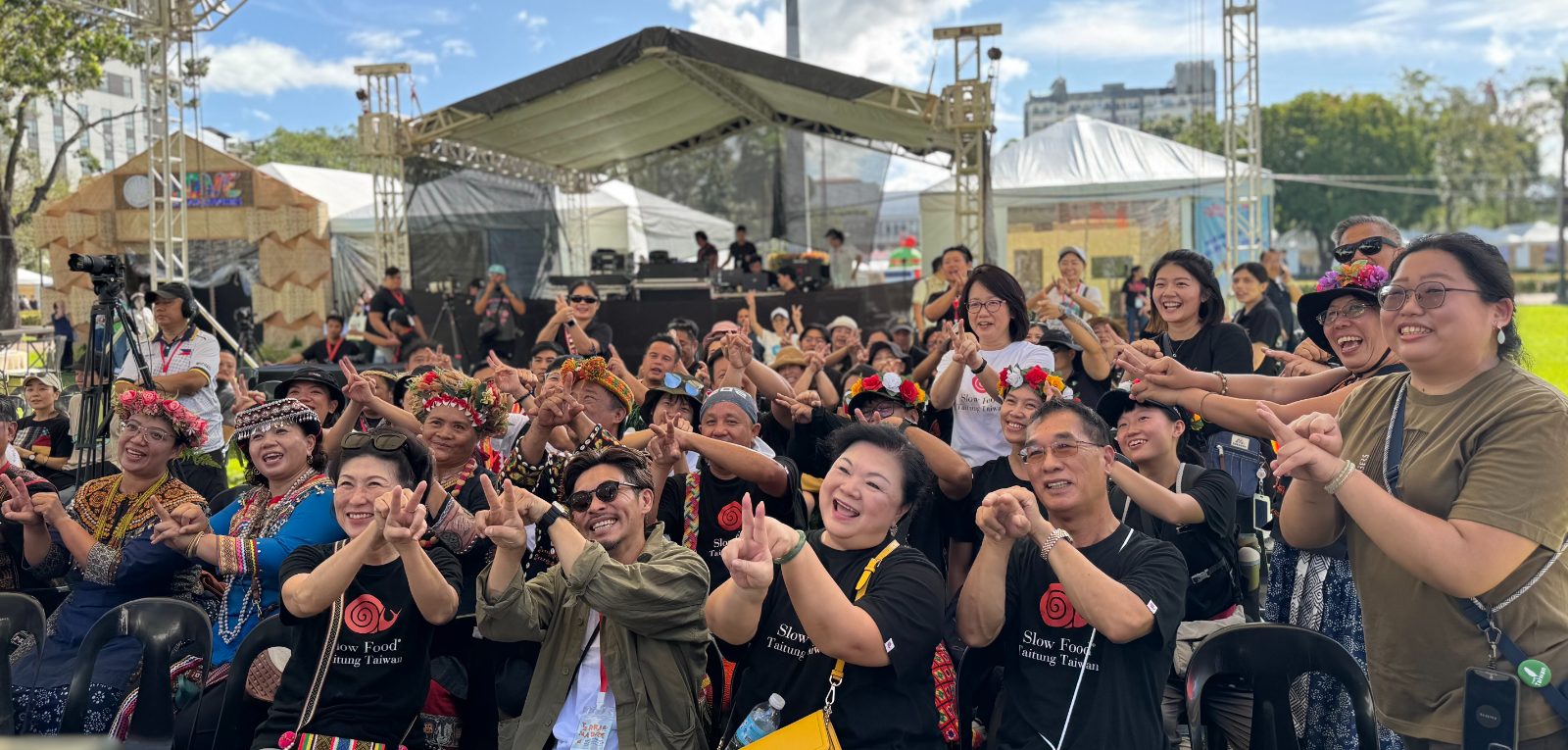
慢食運動與 EMBERS 談論的永續,是同一件事的兩種語言。慢食守護的是生物多樣性、小型生產者、地方品種與傳統農法;EMBERS 在海裡讓非主流的魚種回到餐桌,在山裡讓被疏伐的國產柳杉被好好使用,在田野間持續記錄那些被忽略的野生風味。
永續不只是計算一間餐廳減了多少廢棄,也包括我們如何在國際的場域裡,替台灣的土地、海洋與族群,爭取一次被看見、被理解的機會。
人類學家李維史陀曾說:食物不只是用來吃的,也是用來思考的。
“Food is not just good to eat; food is also good to think with.”
"We are more than rice. We are Taiwanese."
我們不只是稻米之國,我們是台灣人。
引述來源:Yen-Ju Lin(Linda),〈第一屆亞太慢食年會:我們臺灣人不缺席〉,《名廚 MINGCHU》,2026。作者為 EMBERS 廚房經理,隨行紀錄。主辦:Terra Madre Asia & Pacific(Slow Food)。
每一隻魚,
一張被保留的身分證。
The Jewel of the Fish
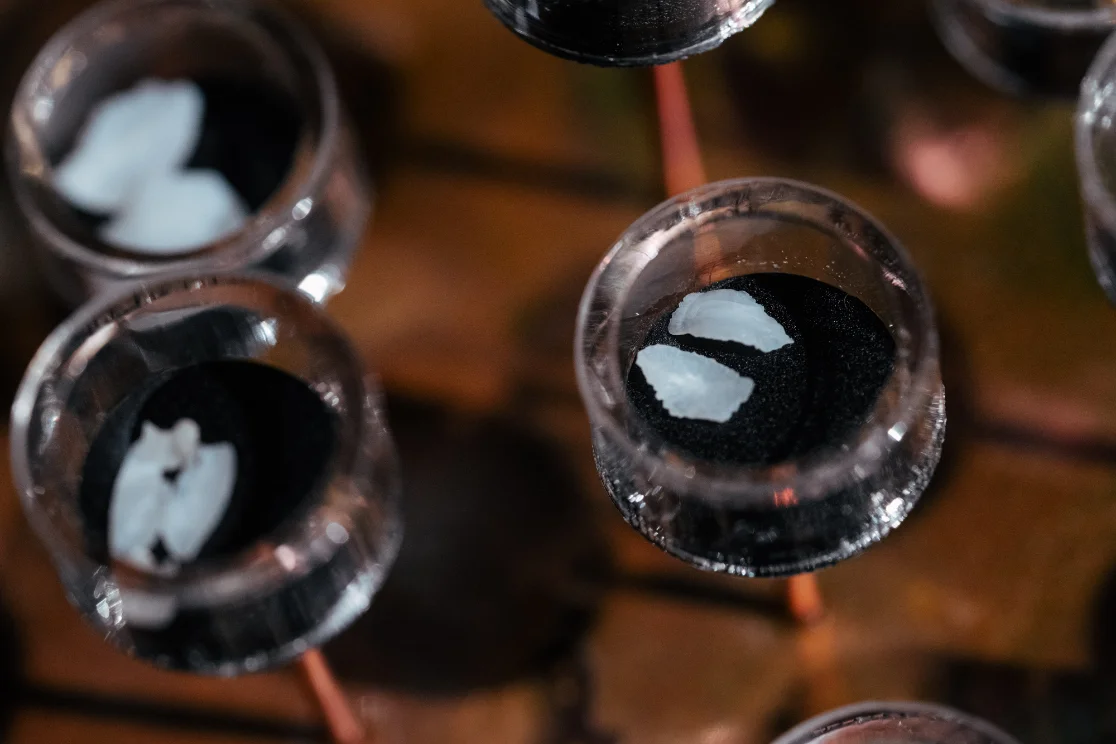
在處理每一隻魚時,我們完整保留牠們主要的一對「耳石」(otolith)。耳石如同魚的身分證,記錄了牠的年齡與生長歷程。這項做法師法中央研究院生物多樣性研究中心古生物研究室。保留耳石,等於完整保留了每一條上岸的魚的一生。
We keep the pair of otoliths from every fish we handle — a practice learned from Academia Sinica's paleobiology lab. Like an identity card, otoliths record a fish's age and life. To keep them is to keep the whole life of every fish that comes ashore.
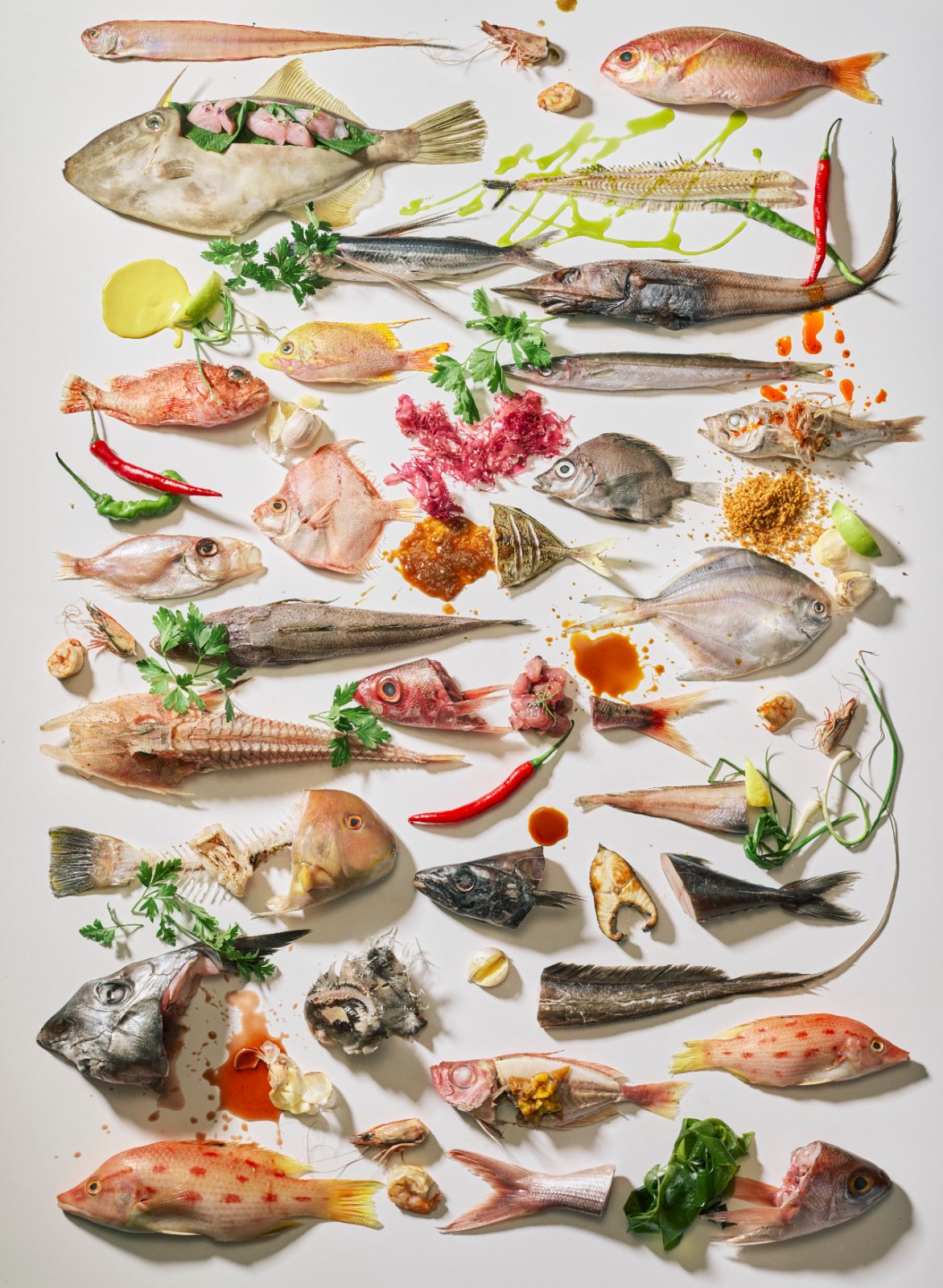
「雜魚學」累計使用了台灣周遭海域約 300 個物種,橫跨 122 個科:其中魚類 272 種、蝦蟹頭足貝棘皮藤壺等 28 種。
在這 122 個科中,有 67 個科僅使用了單一物種,我們的餐桌,不集中於少數幾種常見的魚,而是廣泛地觸及了海洋的每一個角落。
使用最廣的幾個科:鰺科 15 種、石首魚科 13 種、鯖科 11 種、笛鯛科 10 種、隆頭魚科 10 種、鮋科 10 種、蝴蝶魚科 9 種,其餘多半只出現一兩次。
Essential has drawn on some 300 species across 122 families from Taiwan's waters. Of those families, 67 are represented by a single species. Our table does not cluster around a few familiar fish, but reaches into every corner of the sea.
物種鑑定與分類參照:臺灣魚類資料庫(中央研究院)、台灣大型甲殼類資料庫、台灣貝類資料庫、台灣生物多樣性網絡(TBN)